Stop Trips This Winter: Do Cable Covers And Hose Ramps Really Work?
Winter brings wet floors, darker days, and a lot more temporary kit crossing busy walkways and vehicle routes. If you are running cables or hoses for seasonal lighting, maintenance work, or events, small snags can quickly turn into slips, trips, and downtime. The good news is that cable covers and hose ramps are simple, proven tools. Used well, they protect people, safeguard your lines, and keep operations moving.
This guide answers your key questions, explains materials and load ratings, and shows where to place covers at doors and crossings. You will also find safe drive-over tips, compliance signposting, and a quick readiness checklist for December.
What cable covers and hose ramps actually do
- Cable covers and anti trip mats manage loose leads in pedestrian areas. They create a low profile, high grip surface that keeps edges flat and reduces trip risks.
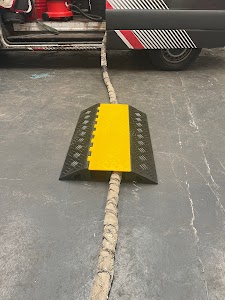
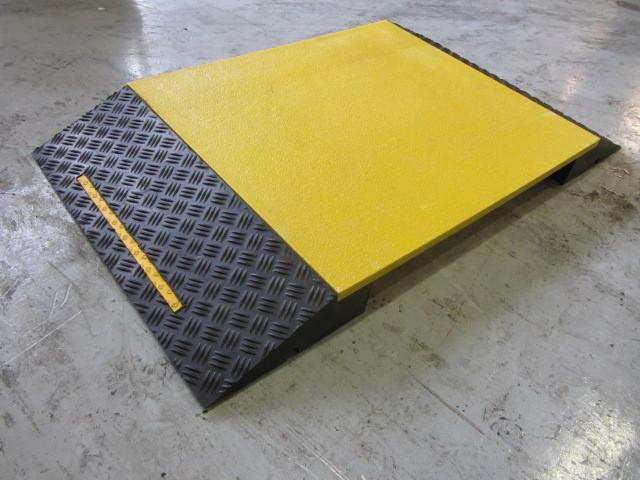
- A cable ramp or hose bridge adds channels that lift and shield one or more lines from wheels and heavy footfall. Hinged lids make loading faster and keep debris out.
- In practice, both solve two problems at once. They protect the cable or hose from crushing, and they give a predictable walking surface with clear visual contrast.
So, is a cable cover a good thing? Yes. If you have cables on the floor in any public or staff route, a cover is one of the quickest and most reliable ways to reduce risk.
Should electric cables be covered?
If a cable has to cross a walkway, cover it. That includes temporary power for tools, lighting, and seasonal displays. You want three things: strain relief at the plug end, a low profile cover that lies flat, and an anti slip texture that works in the wet. Indoors, a rubber or PVC anti trip cable cover is common. Outdoors, look for tougher compounds and high visibility markings. If the route is vehicle shared, step up to a cable protector ramp with suitable load rating.
Load ratings, materials, and where to use what
- Pedestrian only, indoor: choose anti trip mats or low profile cable covers. These prioritise flatter edges and heel friendly ramps.
- Light vehicles or trolleys: use cable protector ramps with interlocking ends, grippy underside, and defined channels.
- HGV routes or plant: choose industrial cable protectors and hose ramps with tested axle load ratings. Check the product sheet and never exceed the value.
- Materials: indoor covers often use flexible rubber blends for good grip and low profile. Outdoor ramps use harder rubber or PU blends that resist compression, salt, and UV. Bright lids or reflective strips help in low light.
If you are unsure, ask for the channel size, lid strength, and axle rating. Match the largest cable diameter and the heaviest vehicle likely to cross.
Can you drive over a cable wire?
Not safely, unless it is protected. A bare cable is easy to pinch or shear under tyres, especially at a door threshold or on uneven ground. Use a cable protector drive over unit that is designed for the task. Keep the approach and exit clear of steps or potholes, and position the ramp at right angles to the traffic so wheels meet the full width of the ramp, not the corner.
What is the purpose of a cable ramp?
It creates a defined crossing point for vehicles and people, protects the line inside a shaped channel, and raises visual awareness of the hazard. In short, it turns a fragile trip risk into a controlled, high visibility crossing. That helps you manage routes and reduces unplanned damage.
Stopping cables from running across the floor
Prevention always beats control. Try these steps:
- Reroute along walls or overhead where practical.
- Use temporary clips, tape paths, and intermediate anchors to remove slack.
- Where a crossing is unavoidable, use floor cable protection with low, tapered edges.
- At doors, step up to a modular cable ramp that bridges the threshold and keeps the door clearing safely.
For outdoor, wet surfaces, replace tired mats and choose covers with aggressive anti slip textures and bright markings. Keep the undersides clean so they grip and lie flat.
Cable management at doors and temporary works
Doorways create snag points. Aim for:
- A single, straight crossing point with a ramp wide enough for the full opening.
- A flush approach on both sides, no ridges or loose edges.
- Hinged lids for quick access, and interlocking ends if you need extra width.
For temporary works, combine ramps with folding safety barriers to guide pedestrians around the crossing. Good delineation reduces side steps and trips.
Safe drive over guidance
- Set the ramp square to traffic flow, on a flat, debris free base.
- Keep speed low, post signage if needed, and avoid sharp steering on the ramp.
- Never stack ramps. If more height is needed, select a model designed for larger hoses.
- Inspect daily in winter. Ice, grit, and salt can reduce grip.
Compliance signposting
Cable and hose protection supports your duties under UK health and safety law, including managing trip risks and protecting workers and the public. Follow manufacturer instructions, maintain good housekeeping, and sign hazards clearly where vehicle and pedestrian routes intersect. Where in doubt, speak with your competent person or safety advisor.
When to choose anti trip mats instead
If you only need to manage small leads in foot traffic areas, an anti trip cable cover or cable mat is ideal. They are low profile, quick to lay, and comfortable underfoot. Switch to a ramp if trolleys, pallet trucks, or vehicles use the route, or if your cable diameter is larger than a standard mat can accommodate.
How to protect cables outside
- Use exterior rated, external cable protectors with channels sized to your cable.
- Choose high visibility lids or markings for low light.
- Clean, dry, and reset after storms or frosts. Check lids and hinges so edges lie flat.
- Keep channels free from grit and standing water. Replace worn parts before winter peaks.
Practical placement diagrams, in words
- Straight crossing on a walkway: walkway; ramp across at 90 degrees; interlocking ends centred; cables routed inside channels; folding barriers placed 1 to 2 metres either side if traffic is heavy.
- Door threshold: ramp spans full door width; approach edges flush to floor both sides; keep clearance for door swing; place reflective tape on the door frame for visibility.
- Mixed route with vehicles: one ramp across the vehicle lane; pedestrians routed to a separate crossing point 2 to 3 metres away with barriers.
Pre Christmas readiness checklist
- Map your cable and hose routes, especially doors, corridors, and loading areas.
- Select the right cover type for each route, pedestrian or vehicle rated.
- Confirm channel size and axle rating against your largest cable and heaviest vehicle.
- Clean floors, then lay, test, and label crossings. Add reflective tape where useful.
- Set speed guidance at vehicle crossings and brief teams.
- Plan daily winter inspections for mats, hinges, and end profiles.
- Keep spares on hand so you can swap out worn sections fast.
Where MGFSites.com can help
You can order online and get quick advice on sizing, load ratings, and placement. If you need a durable cable protector ramp or heavy duty hose ramps for mixed traffic, the team can help you match channels and ratings to your site. For footfall only, explore cable covers and anti trip options that lie flat and grip well in the wet.
If you are building out a wider safety plan for winter, our range of site safety products is designed to work together. Speak to us about bundling cable protection with folding barriers, reflective tape, and other essentials, and arrange pre arranged collection from our Coleford warehouse if that suits your schedule.
Quick links
- Explore industrial cable protectors and ramps: cable ramps
- Plan pedestrian routes and low profile covers: cable protection covers
- Build a broader winter kit list: site safety equipment
Summary
Cable covers, hose ramps, and bridges do the simple things well. They protect your lines, reduce trips, and make routes predictable in wet, dark conditions. Indoors, choose low profile anti trip covers. Outdoors or where vehicles cross, specify ramps with the right channel size and axle rating, and position them square to the traffic. Keep everything clean and flat, sign routes clearly, and inspect more often through winter. If you would like help choosing or placing the right products for your site, the MGFSites.com team is always happy to talk through your requirements and get you ready for the season.