On-Site Cable Safety: A Complete Guide To Hose Ramps And Cable Covers
On-Site Cable Safety: A Complete Guide To Hose Ramps And Cable Covers
Keeping your site safe means looking after every detail, and that includes what happens underfoot. Unprotected cables and hoses can cause all sorts of problems, from trip hazards to costly equipment damage. Whether you’re running a busy warehouse, managing a construction site, or maintaining outdoor events, finding the right protection for your cables and hoses can prevent accidents, downtime, and unexpected repair bills. This guide will walk you through why cable and hose protection is essential, what your options are, and how to make the best decisions for your own site.
Why You Should Always Cover Electric Cables
Electric cables left exposed on the floor are an accident waiting to happen. Not only do they create dangerous trip hazards for pedestrians, but they’re also vulnerable to accidental damage from vehicles, equipment, and foot traffic. Covering cables is more than just a good idea—it’s a safety requirement for many workplaces.
A proper cable cover acts as a barrier, safeguarding both people and cables. By using cable protection covers, you greatly reduce the risk of slips, trips, and falls. They also help you comply with health and safety regulations, which often mandate that you address trip hazards and electrical safety on site. If your site sees frequent changes in its setup, or if you’re dealing with temporary wiring, making cable coverage routine is even more important.
How To Protect Exposed Cables On Site
You have several options for protecting exposed cables. The two main solutions are cable covers and cable ramps, which are designed to shield cabling from impact, compressive forces, and weather. The method you choose depends on factors like site traffic, the type of cables, and whether they’ll be exposed to vehicles, equipment, or just pedestrian movement.
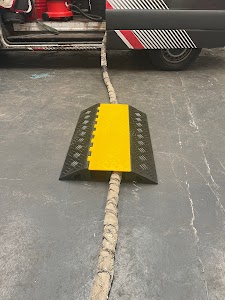
For indoor office spaces, a simple cable mat can prevent employees from tripping over wires during daily tasks. In warehouses, outdoor venues, or anywhere vehicles might cross, you’ll want a heavy-duty cable protector ramp. These robust covers are built for forklifts, trucks, or even heavy plant machinery to safely pass over, all while keeping the cables underneath safe from crushing or abrasion.
If you’re managing hoses instead of electrical cables—perhaps for water supplies or fuel lines—a hose ramp is the answer. Hose ramps are specifically designed to handle thicker, more flexible hoses and help prevent blockages or kinking that can stop work in its tracks.
Is A Cable Cover Worth It?
Absolutely. Investing in a proper cable cover (or a dedicated hose protector for fluid lines) pays for itself by preventing accidents, protecting equipment, and keeping your site compliant with regulations. Without the right protection, repairs and liability claims can mount up quickly.
Not only do cable covers keep people and property safe, but they also make running your site less stressful. You won’t have to worry about whether everyone knows where the cables are because they’ll be clearly marked and protected. Modern cable covers often feature bright colours or reflective stripes for enhanced visibility, further reducing the chance of someone tripping by mistake.
What Is A Hose Ramp, And Why Might You Need One?
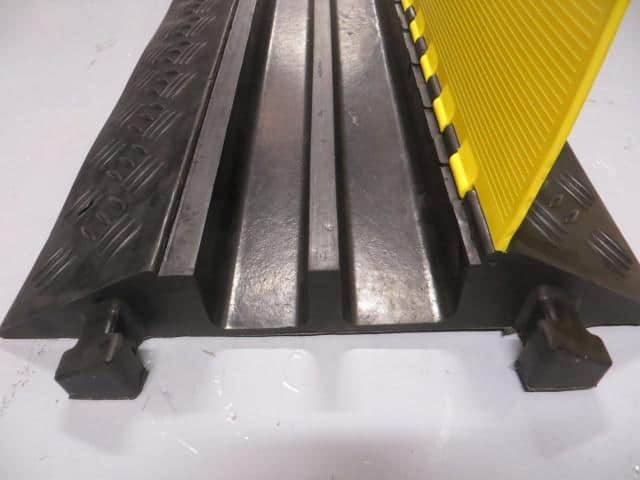
A hose ramp is a type of cable protector ramp designed to allow vehicles and people to safely cross over hoses without causing damage or restricting flow. Unlike basic cable covers, hose ramps are often wider, with deeper grooves to accommodate thicker hoses. This design stops hoses from being squashed by heavy equipment, which is vital on active sites where water, fuel, or air lines are in use.
You should use hose ramps whenever hoses are laid across vehicle routes or pedestrian walkways. Not only does this prevent damage, but it stops hoses from becoming dislodged or creating further risks. If you’re unsure which ramp will do the job, speak with your safety equipment supplier and give them details about your site and hose sizes.
The Purpose Of A Cable Ramp
Cable ramps provide passage for both vehicles and pedestrians over one or more cables or hoses safely. Their main purpose is twofold; they significantly reduce trip hazards for anyone walking on site, and they keep electrical, data, or fluid lines safe from crushing, exposure, or accidental disconnections.
Most cable ramps are constructed from heavy-duty rubber or high-strength plastics, designed to last in tough conditions and withstand repeated impact. Many are modular, making it easy to cover longer runs of cable or create those protection solutions even if your site layout changes. Look out for ramps with textured surfaces to prevent slipping, especially if you’re working outdoors.
To see what’s available for heavier applications, take a look at some of the options for cable protector ramp solutions tailored for industrial sites.
How To Stop Cables From Running Across The Floor Unsafely
The first step is to plan your cabling routes so that you avoid busy walkways and vehicle paths whenever possible. Sometimes, though, running a cable across the floor is unavoidable. In these cases, using the correct floor cable protection is crucial.
Install cable covers or ramps wherever cables cross pathways. For temporary setups—such as during maintenance or events—modular ramps or mats are a quick and reliable solution. These products can often be relocated as your site needs change, giving you flexibility and ongoing safety reassurance.
If you operate outdoors, look for external cable protectors built to handle UV, water, and harsh weather. Indoors, especially on smooth floors, an anti trip cable cover can keep workplace traffic moving safely. You might also want to remind your team regularly about the importance of not moving or removing covers without permission.
Choosing The Best Protection For Your Site
When you’re ready to select a cable or hose protection system, assess your site conditions. Consider:
- What kind of traffic will be passing over the cables (foot, vehicles, or both)?
- Are the cables or hoses thick, flexible, or sensitive?
- Will they be exposed to water, chemicals, or outdoor conditions?
- How often will you need to move or adjust the setup?
For the highest level of protection in demanding environments, opt for heavy-duty cable ramps and hose ramps that can be joined together for long coverage runs. If visibility is a concern, go for brightly coloured covers with non-slip surfaces. For more advice or a tailored solution, reach out to a trusted safety equipment supplier who can help you choose exactly what your site demands.
Summary: Make Cable And Hose Safety Automatic On Your Site
Cable covers and hose ramps are not optional extras—they’re vital components of a safe, compliant, and efficient workplace. They keep your teams safe, protect expensive equipment, and show you take your duty of care seriously. The right products are available for every kind of site, from offices to construction sites, and they are easy to install and adapt as your needs change.
For a full range of proven solutions, from high-visibility ramps to external cable protectors tough enough for the outdoors, MGFSites.com is always ready to help you make every site safer. If you’re not sure what you need, the team is happy to chat through options and make recommendations based on your specific challenges.
Start making cable and hose safety automatic at your site, and give yourself one less thing to worry about.