How To Choose The Right Wheel Chocks For Your Vehicles
How To Choose The Right Wheel Chocks For Your Vehicles
Keeping your vehicles secure and your site safe is a responsibility that rests on choosing the right equipment. Whether you manage a busy logistics operation, run a fleet of vans, or handle aircraft on the ground, the humble wheel chock plays a crucial part in preventing accidents and protecting people—even when vehicles are stationary. It’s easy to overlook, but making the right decision on wheel chocks could save your business from costly, avoidable mishaps.
In this guide, you’ll discover how to select the ideal wheel chock for your needs, what features matter most, and practical tips to ensure your operation meets the highest safety standards
What Does a Wheel Chock Do?
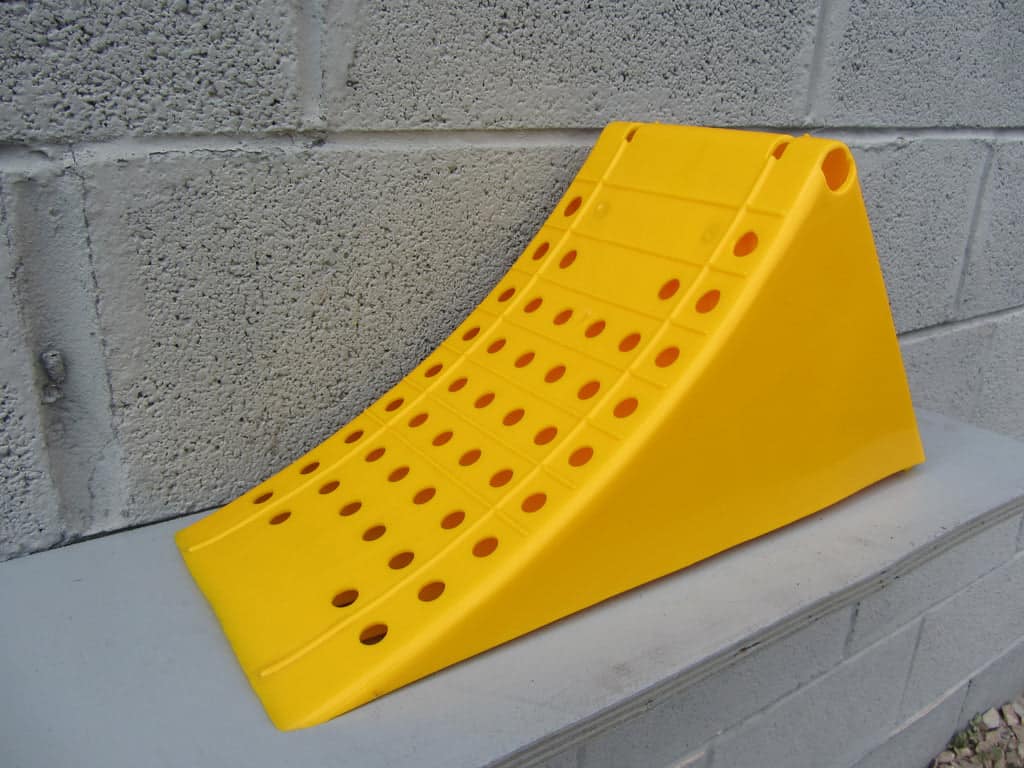
A wheel chock is a wedge-shaped block placed against a vehicle’s wheel to prevent accidental movement. Whether you’re dealing with lorries, trailers, vans, or aircraft, chocks provide a critical backup where the parking brake alone isn’t enough—particularly on inclines or during loading and unloading. By physically stopping wheels from rolling, chocks are a simple and effective way to reduce the risk of runaway vehicles or unexpected shifts.
Key Features: What To Look For
When choosing wheel chocks, there’s no one-size-fits-all. You’ll need to weigh up a few main considerations:
-
Size and Weight Capacity
Match the chock’s size and strength to the vehicle. Larger, heavier vehicles (like HGVs and aircraft) require sturdy, robust chocks capable of withstanding greater forces. The manufacturer’s specifications will typically indicate the maximum load, so always check before purchasing.
-
Materials
Wheel chocks are most often made from rubber, polyurethane (a type of plastic), or sometimes metal. Each has its merits:
Rubber chocks are highly durable, with excellent grip, and resist slipping—especially on smooth surfaces or in wet conditions.
Plastic/polyurethane chocks are lighter and resistant to chemicals, oils, and UV. They’re easier to handle and ideal for environments where weight-saving is useful. However, they can be less effective on slick or icy ground. -
Grip and Base Design
Look for chocks with ribbed or textured bases for extra hold. Some have built-in handles or reflective strips for visibility and convenience. Non-slip surfaces are essential for safety.
-
Compliance
For specific industries, particularly aviation, standards may dictate the type and style of chock to use. Always refer to relevant regulations or guidelines.
Aircraft Chocks: Special Considerations
Aircraft present unique challenges. The requirements for aircraft chocks are stricter than for vehicles. First and foremost, they must be made from materials that won’t damage aircraft tyres or wheels—usually solid rubber or high-grade urethane. Visibility is also key, with bold colours helping to ensure ground crews notice and remove them before taxiing.
If you’re responsible for aircraft ground handling, opt for dedicated aircraft wheel chocks with heavy-duty cords or handles. Make sure they meet the specifications set by your airport or governing body for size and resistance.
How to Properly Chock Trailer Wheels
Proper placement guarantees wheel chocks work as intended. Here’s a simple process:
- Always apply your parking brake first.
- Position chocks snugly against the centre of the vehicle’s tyres—not behind the axle or uneven surfaces.
- For HGVs and trailers, place chocks on both sides of at least one axle (front and back of each wheel) if possible. On an incline, the chock should always be on the downhill side.
- Don’t rely on a single chock for large or heavy trailers. Two chocks—one for each side—are often the minimum.
For specific requirements and a range of trailer wheel chocks suited to your vehicles, look for products matched to tyre diameter and gross vehicle weight.
Rubber vs. Plastic Wheel Chocks: Which Is Better?
When comparing rubber and plastic (polyurethane) wheel chocks, your choice often comes down to your particular operating environment:
- Rubber chocks grip better on most surfaces, are tough, and stay put—ideal for outdoor use or with heavy vehicles.
- Plastic chocks are lighter, sometimes more affordable, and suited for lighter vehicles or if you need something easy to transport and resistant to spillages.
For most industrial and logistics operations, especially with HGVs, rubber is often the preferred and most reliable option.
How Many Wheel Chocks Do You Need for a Trailer?
It’s best practice to use at least two wheel chocks—one for each side of the tyre, especially on any kind of slope. For longer trailers, extreme loads, or when extra safety is needed, consider using four (both sides of two wheels). Always refer to your organisation’s policy and risk assessment to determine the minimum requirement.
Do You Really Need Wheel Chocks?
Absolutely. While parking brakes or landing legs are vital, they can fail or be inadvertently released. Wheel chocks are a straightforward, affordable line of defence that drastically lowers the risk of costly—and potentially dangerous—runaways. For most workplaces, chocks are not just recommended, but specified within health and safety policies and industry regulations.
Best Practices for Safe Use
- Inspect your wheel chocks regularly for damage or wear.
- Store them where they’re easily accessible and clearly marked for immediate use.
- Follow all site procedures and manufacturer guidelines for placement and usage