Loading Bay Dock Bumpers: Boosting Safety And Reducing Repair Costs
Loading Bay Dock Bumpers: Boosting Safety And Reducing Repair Costs
When it comes to running a busy warehouse or distribution centre, safety and efficiency are non-negotiable. Your loading bay is a hive of activity, with vehicles arriving and departing, goods moving in and out, and teams working hard to keep things moving smoothly. Amidst all this action, even a minor collision can lead to costly repairs and unfortunate downtime. That’s where loading bay dock bumpers come in—providing a simple, effective way to protect both your vehicles and infrastructure. In this post, we’ll walk you through the essentials of dock bumper placement, the main advantages of installation, how they help prevent accidental damage, and tips for keeping your loading bay safe and compliant.
Why Are Dock Bumpers So Important?
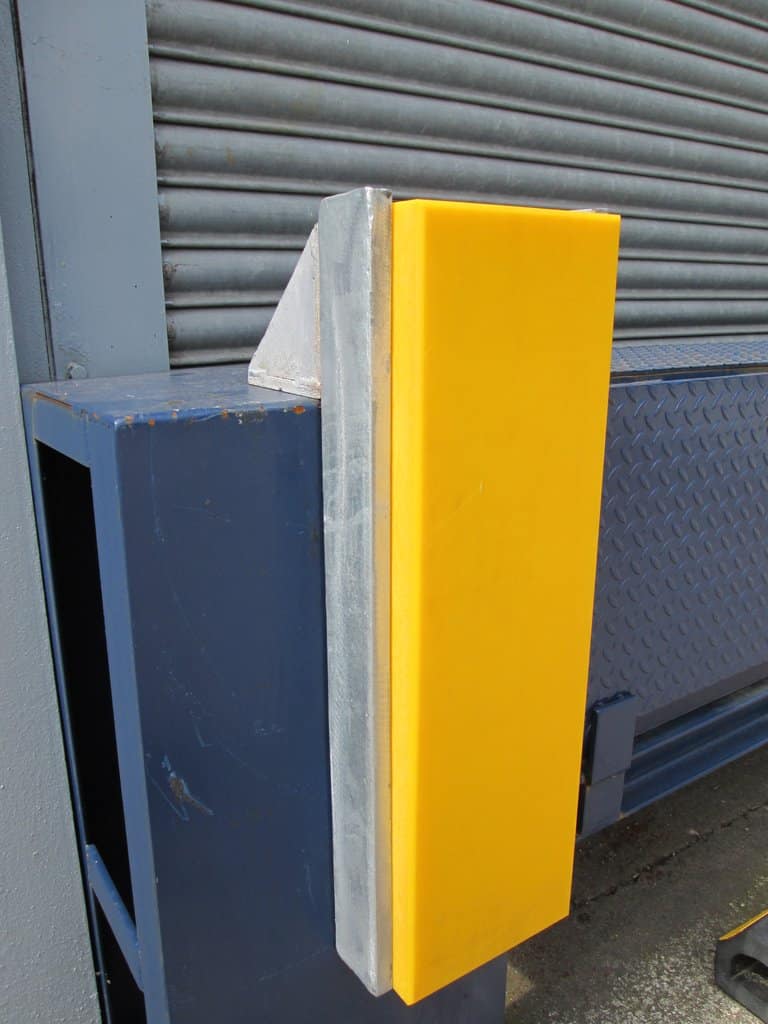
Dock bumpers serve as a protective buffer between moving vehicles—such as lorries or vans—and your loading dock. Their main job is to absorb and deflect the force of impacts that naturally occur during docking and unloading. Without them, repeated knocks and scrapes can quickly damage both the dock edge and the vehicle, resulting in unnecessary repair bills, time-consuming maintenance, and even safety hazards. Investing in dock bumpers helps you keep control over maintenance costs, reduces wear and tear, and significantly improves overall site safety.
Strategic Placement: Where Should You Install Dock Bumpers?
Correct placement is essential for maximum protection. Dock bumpers should be fitted at the precise locations where a vehicle is likely to make contact with the dock during reversing or loading operations.
The most common places to fix loading bay dock bumpers are:
- On the dock face: Position them at the height where lorry trailers typically make contact. This is usually level with the bed of your most frequent vehicle type.
- Along corners and edges: Install bumpers at any corners or high-contact points to avoid direct impact.
- On adjacent walls: Where space is tight or vehicle turning is required, wall-mounted bumpers can offer extra security for both vehicles and your building.
Before installation, assess the types of vehicles you handle and measure the typical alignment of their loading beds. This helps ensure your bumpers are positioned for optimum effectiveness.
How Do You Attach a Bumper to a Dock?
Fitting dock bumpers is straightforward, but precision matters. Most bumpers are either bolted or anchored directly to the dock face. Here’s a basic rundown:
- Mark the positions: Use measuring tools to mark where the bumpers should be fixed.
- Drill anchor holes: Drill holes aligned with the bumper’s mounting points.
- Secure in place: Use the appropriate fixings (usually heavy-duty bolts or anchor systems) to tightly attach the bumper, ensuring a flush fit against the dock or wall.
- Double-check clearance: Make sure the bumpers are level and at the correct height.
For the best results, always follow the manufacturer’s instructions, and if you’re unsure, consult a site safety equipment supplier.
Common Hazards in Loading Docks
Loading docks are fast-paced, high-risk environments. Without the right precautions, hazards can include:
- Collisions between reversing vehicles and dock edges
- Falls from unguarded dock edges
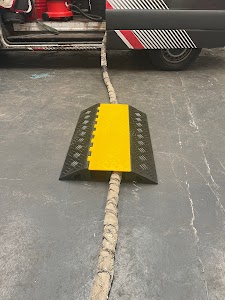
- Trips over debris or unprotected cables and hoses
- Accidental crushing injuries during vehicle alignment
- Equipment damage through repeated minor impacts
Installing dock bumpers, wheel guides, and other site safety equipment provides layered protection and minimises these risks.
Best Practice Safety Guidelines for Loading Docks
Making your loading dock as safe as possible is about following proven best practices, including:
- Installing clearly visible dock bumpers at all impact points
- Keeping working areas tidy and free from obstructions
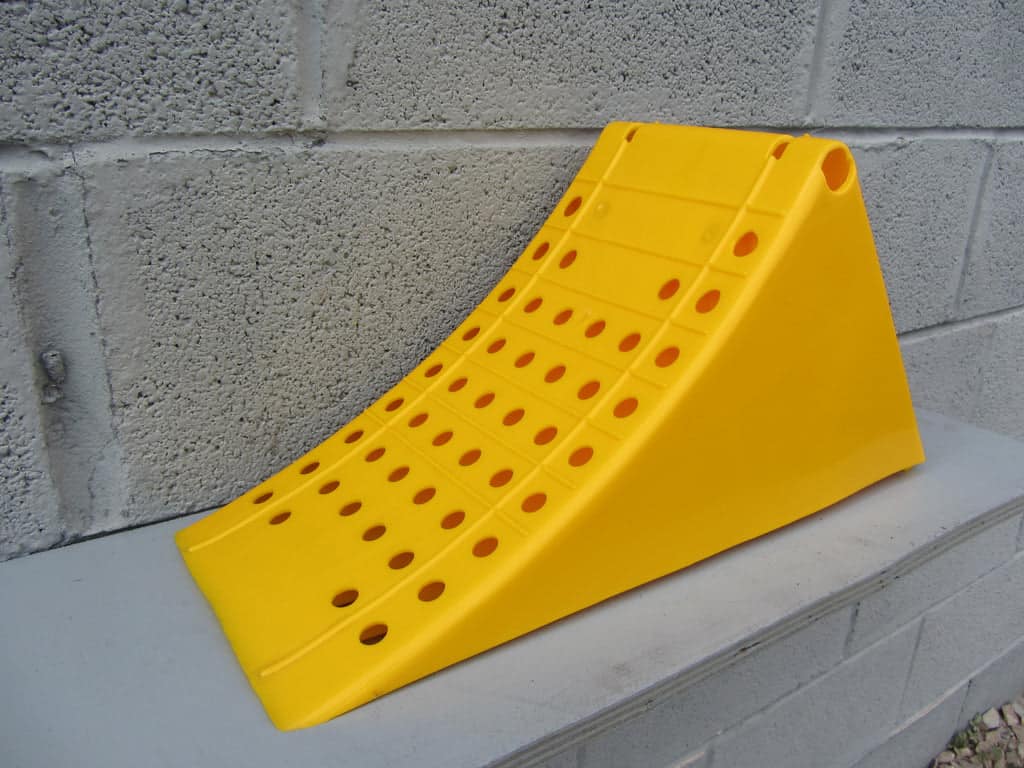
- Using wheel chock solutions to secure stationary vehicles
- Ensuring all staff are trained on proper vehicle alignment and docking procedures
- Marking traffic lanes, pedestrian walkways, and hazardous zones with clear signage and delineation
Additionally, regularly inspect your bumpers and other protective devices for signs of wear or damage, and replace them promptly as needed.
Practical Tips for Maintaining Dock Bumpers
To maximise the lifespan of your bumpers and maintain high safety standards:
- Inspect them weekly for signs of cracking, splitting, or loosened fixings
- Clean dirt and debris around mounting points to prevent corrosion and rust
- Replace worn or missing bumpers immediately
- Opt for robust, quality materials that suit your vehicles and dock configuration
Most importantly, involve your team in routine checks—many issues can be spotted early with a fresh pair of eyes
Creating a Safe, Reliable Loading Dock Environment
A safe loading bay is the cornerstone of efficient site operations. Dock bumpers, while often overlooked, play a vital part in protecting your investment and ensuring compliance with health and safety regulations. Combine them with thoughtful placement of protective equipment, regular maintenance, and clear safety protocols to keep your team productive and confident.
Looking for more ways to boost your site’s protection? Explore our wide selection of loading bay dock bumpers and related site safety products tailored to your operational needs. If you need guidance on product choice or installation, we’re always happy to chat through your requirements and help you find the right solution for your business.
Remember: A proactive approach today can save your business time, money, and hassle tomorrow. Safe loading, smooth operations!