Rubber Extrusions: Simple Solutions For Bumper Protection And More
Rubber Extrusions: Simple Solutions For Bumper Protection And More
If you manage a warehouse, loading bay, or busy car park, bumps and scrapes are part of daily life. A simple, low-cost way to reduce damage and downtime is to fit the right protective rubber. D section rubber extrusions are one of the most versatile options you can use. In this guide, you will learn what they are, where they work best, and how to install and look after them. You will also find quick answers to common questions about bumper strips, bump guards, and protecting wall edges.
What is a D section rubber extrusion?
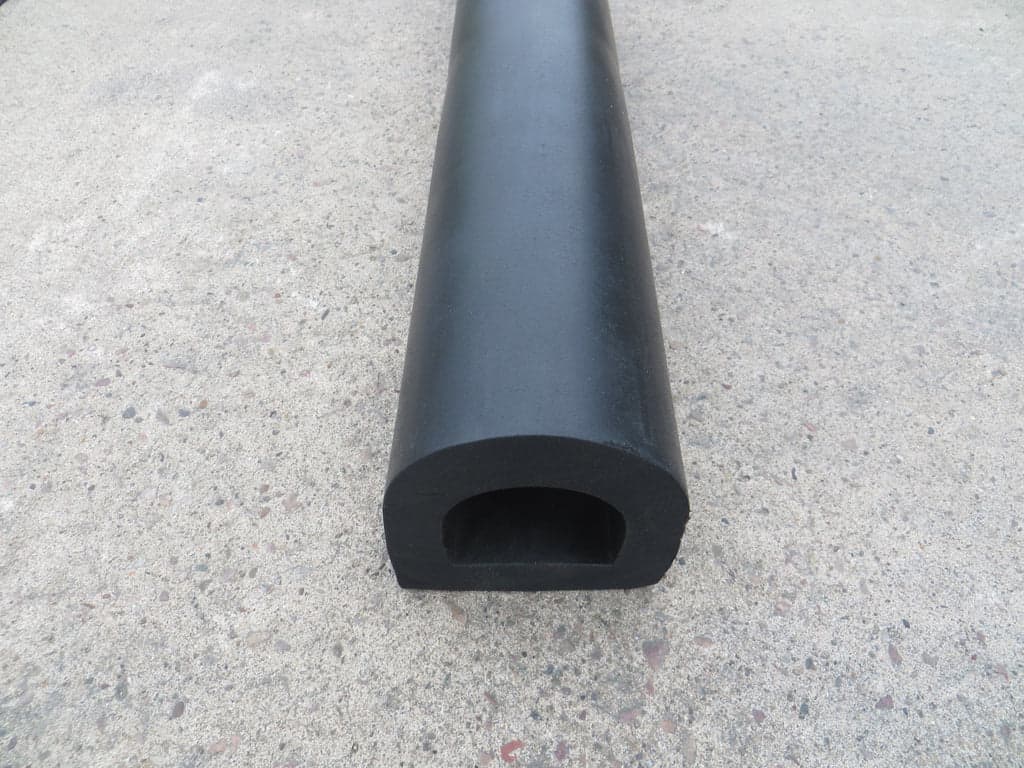
A D section rubber extrusion is a continuous length of rubber with a profile that looks like the letter D. The flat side is designed to sit flush against a surface. The curved side creates a forgiving bumper that absorbs impact and reduces scuffs, chips, and dents. You can cut extrusions to length, fix them with adhesive or screws, and fit them on straight runs or gentle curves.
You will often see D sections on warehouse walls, dock edges, vehicle bays, and door frames. The material is tough, weather resistant, and flexible, which makes it suitable for both indoor and outdoor use. If you need a straight forward buffer that can be installed quickly, a d section rubber extrusion is a strong choice.
What are D section rubber extrusions used for?
D sections provide sacrificial protection. In practice, that means they take the hit so your wall, post, or vehicle does not. Typical uses include:
- Loading bay edges and door reveals, to help prevent chipping and spalling.
- Vehicle and plant contact points, such as van door apertures or service bay edges.
- Warehouse columns and racking runs, to reduce damage from low speed impacts.
- Perimeter walls and corners in car parks, where tight manoeuvres are common.
- Conveyor lines and machinery guards, to soften occasional bumps.
If you run a busy site, pairing D section protection with other simple add on’s like reflective tape and clear markings gives drivers and pedestrians better visual cues, which further reduces incidents.
What is a bump guard?
A bump guard is any product designed to cushion impacts and reduce wear to edges, corners, and flat surfaces. It can be made from rubber, foam, or plastic, and it may be adhesive backed or screw fixed. D section extrusions are a type of bump guard, well suited to straight runs and exposed edges. For prominent corners, you might choose a dedicated corner profile. For delicate surfaces, a foam option can provide a gentler contact.
If you are comparing options, think about the likely impact speed, available fixing surface, and visibility needs. High contrast colours and reflective strips can help drivers see the guard in low light or tight spaces.
How can you protect wall edges from damage?
There are three simple steps that work in most facilities:
- Fit the right profile
Choose D section rubber for straight edges and door reveals, and corner guards for external wall corners. Taller profiles protect a larger area from pallet jack handles and door levers. - Use good fixings
For block or concrete, use suitable masonry fixings and a construction adhesive to reduce vibration. On metal or timber frames, self drilling screws with large washers or backing strips help spread the load. Clean and dry the surface before bonding. - Add visibility
High visibility tape and contrasting colours make a big difference. Mark the leading edge so drivers can gauge distance easily. Good lighting near vulnerable edges also helps.
In high traffic zones, combine edge protection with clear traffic routes and simple physical guides. For example, loading bay wheel guides keep trailers aligned so they contact the bumper squarely. Inside the warehouse, consider adding pallet racking protectors on exposed uprights to prevent costly racking repairs.
Installation tips for D section extrusions
- Measure twice, cut once. Use a sharp knife or fine tooth saw to get clean ends.
- Dry fit the length before final fixing to check alignment.
- Degrease the surface. Adhesive bonds best on clean, dust free substrates.
- Use a continuous bead of adhesive along the flat face. For heavy duty areas, add mechanical fixings at intervals.
- Seal cut ends where water ingress is a concern.
Most installations can be completed with basic tools and minimal downtime. If your environment is exposed to oils or chemicals, check material compatibility before purchase.
Durability and maintenance
- Quality rubber extrusions are designed for repeated impacts and outdoor conditions. Routine checks are straightforward:
- Inspect quarterly for deep cuts, loosened fixings, or peeling adhesive.
- Tighten screws and re bond loose sections promptly.
- Clean with mild detergent to remove grime that can mask visibility.
- Replace heavily worn lengths, which is quick due to the modular format.
A small maintenance routine prevents bigger problems later, such as water ingress into walls or chipped masonry that needs repair.
Related simple upgrades that boost safety
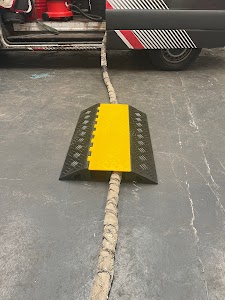
- If you run power leads across walkways or vehicle routes, a cable protector ramp keeps cables safe and reduces trip risks.
- Where hoses cross driveways, hose ramps improve visibility and protect the line from crushing.
- In tight parking or loading spaces, safety barriers and bollards help define routes and protect building fabric.
- For HGV and trailer operations, wheel chock use and regular dock bumper inspections are essential.
Choose the small changes that solve your most frequent incidents first, then build from there
Quick answers to common questions
- What is the rubber strip under the front bumper?
A sacrificial lip or bumper strip that takes scrapes and can help airflow on vehicles. On sites, a D section cut to size can provide similar edge protection. - What is the purpose of the rubber on bumper cars?
It absorbs and spreads impact to reduce jolts and protect the body, the same way D section extrusions cushion bumps on walls and bay edges. - What are D section rubber extrusions used for?
Protecting walls, corners, door reveals, vehicle bays, and machinery edges from low speed impacts. - How can I protect wall edges from damage?
Fit the right guard, use sound fixings, and improve visibility. Combine with traffic control where needed. - What is a bump guard?
A general term for protective edging or pads that cushion contact and prevent scuffs, chips, and dents.
Ready to reduce bumps and repairs?
D section rubber extrusions are a fast, affordable way to shield walls, doors, and bay edges while keeping your site looking tidy. If you need help choosing sizes or fixings, the team at MGFSites.com is always happy to chat through your requirements and match a profile to your environment. You can also explore complementary options such as loading bay wheel guides for alignment at the bay, or add targeted protection like bump guard profiles for corners. For a broader look at essentials that protect people and assets, browse our site for trusted site safety equipment that ships quickly across the UK.
Internal links to explore:
If you would like tailored advice, contact us and we will help you build a short, practical list of upgrades that fit your site and budget.